
- Home/
- Buy Furosemide Without Prescription in the United Kingdom Online
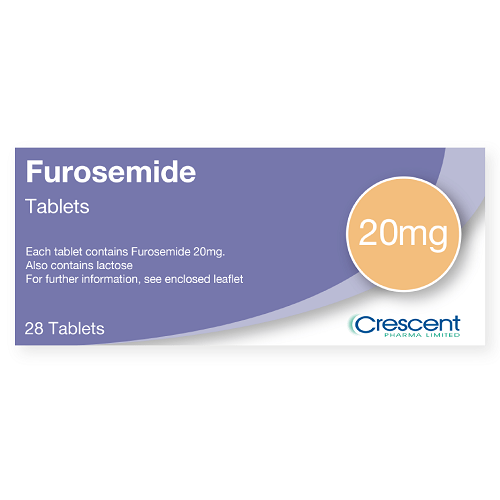
Can Furosemide Be Obtained Without a Prescription in United Kingdom?
Furosemide is a prescription-only medicine in the United Kingdom. It cannot be legally obtained without a valid prescription from a registered healthcare professional. Over-the-counter or online purchases without a prescription are not permitted.
Key Takeaways
- Furosemide is most suitable for people with fluid overload (oedema) due to heart, liver or kidney problems, as determined by a doctor.
- The main benefit is rapid removal of excess fluid, helping to relieve symptoms such as swelling and breathlessness.
- A prescription from a UK-registered healthcare professional is required.
- Improvements in swelling and shortness of breath are typically noticed within hours, but ongoing monitoring is essential.
- Electrolyte disturbances and dehydration are key safety concerns; regular blood tests are needed.
- If you develop muscle cramps, abnormal tiredness, or significant dizziness, seek urgent medical advice.
How Does Furosemide Work? Mechanism of Action Explained
Furosemide belongs to the class of loop diuretics. It inhibits the sodium-potassium-chloride co-transporter (NKCC2) in the thick ascending limb of the loop of Henle in the kidney. By blocking this transporter, Furosemide prevents reabsorption of sodium and chloride ions, leading to increased excretion of sodium, chloride, and water in the urine. This results in a rapid and significant diuretic effect, reducing fluid buildup in the body (EMC UK).
On a biochemical level, this action leads to increased urine output and a reduction in blood volume, which helps relieve symptoms of oedema and high blood pressure. The effect does not depend on food intake and is generally independent of other triggers, but renal blood flow and patient hydration status can influence efficacy.
Simplified metaphor: Think of your kidneys as a fine sieve: Furosemide temporarily widens the holes in the sieve, allowing more salt and water to pass through and leave your body.
Why Patients Sometimes Expect Too Much Too Soon: Insights from Clinical Experience
In my practice, I’ve noticed that patients often expect Furosemide to work instantly or to be a cure-all for swelling and breathlessness. However, the response can vary with underlying conditions, dietary salt intake, and kidney function. Some patients judge the drug’s effectiveness simply by how often they need to urinate, but this doesn’t always correlate with clinical improvement: the underlying cause of fluid retention may require ongoing management. Patients rarely ask about how Furosemide might affect their potassium or sodium levels, yet these are critical to monitor. It’s also common for people to overlook the importance of scheduled blood tests and regular follow-up, which are crucial for safe and effective therapy.
How Should I Take Furosemide? Dosage, Timing, and Duration
Furosemide dosing is individualised based on clinical need. In adults, the typical starting oral dose for oedema is 20–40 mg once daily, taken in the morning. The dose may be increased at 20 mg increments every 6–8 hours as needed, up to a usual maximum of 80–120 mg per day. The absolute maximum dose should not exceed 600 mg per day in exceptional cases, under specialist supervision (NHS).
- Elderly patients and those with kidney or liver impairment often require lower starting doses.
- Furosemide tablets can generally be split, but always check the specific product leaflet as some modified-release formulations should not be broken.
- For acute heart failure, intravenous administration and higher initial doses may be used in hospital settings only.
Peak effect usually occurs within 1–2 hours after oral administration, with the diuretic action lasting 4–6 hours. For best results, take Furosemide in the morning to reduce the risk of night-time urination. The duration of treatment depends on the underlying condition and response to therapy.
Does Food, Alcohol, or Other Lifestyle Factors Affect Furosemide?
Food may slightly delay but does not significantly reduce Furosemide’s absorption or effectiveness. It can be taken with or without food. However, a high-salt diet can counteract its effects, so salt intake should be monitored.
- Alcohol: Caution is advised. Alcohol and Furosemide both lower blood pressure, increasing the risk of dizziness, fainting, or dehydration. Avoid excessive alcohol consumption.
- Grapefruit juice: Unlike some medications, grapefruit juice does not significantly interact with Furosemide.
- Caffeine: May increase urination further, so monitor for dehydration.
Discuss with your doctor or pharmacist if you have specific dietary concerns or take other supplements.
Who Should Not Take Furosemide? Contraindications and Cautions
- Absolute Contraindications
-
- Severe hypovolaemia (low blood volume) or dehydration
- Anuria (failure of the kidneys to produce urine)
- Severe hyponatraemia or hypokalaemia (low sodium or potassium in the blood)
- Comatose states associated with liver failure (hepatic encephalopathy)
- Known allergy to Furosemide or sulphonamides
- Relative Contraindications / Use with Caution
-
- Gout (may increase uric acid levels)
- Diabetes mellitus (may affect blood sugar control)
- Prostatic hypertrophy or urinary retention
- Severe hypotension (low blood pressure)
- Concomitant use with nephrotoxic or ototoxic medications (e.g., aminoglycoside antibiotics, cisplatin)
- Pregnancy and breastfeeding (use only if clearly needed and prescribed by a specialist)
- Children (dosing is specialist-led and requires close monitoring)
Cardiovascular risk: Furosemide can cause rapid fluid shifts and electrolyte imbalance, which may worsen arrhythmias or heart failure if not carefully managed. After a heart attack or stroke, use is only considered under close medical supervision.
What Side Effects Are Most Common with Furosemide?
Side effects are best understood by frequency and mechanism. Here’s what clinical data and NHS guidance say (NHS):
- Very Common (>1 in 10)
-
- Increased urination
- Electrolyte disturbances (low sodium, potassium, magnesium)
- Dehydration (dry mouth, weakness)
- Low blood pressure (dizziness, fainting)
- Common (1 in 100 to 1 in 10)
-
- Muscle cramps
- Elevated uric acid (may trigger gout)
- Increased blood sugar
- Ringing in the ears and hearing changes (at high doses, especially IV)
- Rare (1 in 1,000 to 1 in 10,000) and Very Rare (<1 in 10,000)
-
- Severe allergic reactions (rash, swelling, difficulty breathing)
- Acute kidney injury
- Severe drop in blood pressure or collapse
- Pancreatitis, blood disorders (e.g., thrombocytopenia)
- Irreversible hearing loss (usually with large IV doses or in those with kidney impairment)
What to do if side effects occur: For minor symptoms (mild dizziness), rest and hydrate. For severe symptoms (persistent vomiting, confusion, severe weakness, breathing difficulty, swelling of the face or tongue), seek urgent medical attention or call 999.
Common Pitfalls When Using Furosemide: Mistakes to Avoid for Safe and Effective Treatment
- Skipping doses or taking as needed without medical instruction. This can lead to fluid overload or uncontrolled swelling; always follow your prescribed schedule.
- Taking Furosemide late in the day. This often causes night-time urination and disrupts sleep. Aim for morning dosing unless otherwise advised.
- Failing to attend scheduled blood tests. Missing tests can mean dangerous electrolyte imbalances go undetected.
- Neglecting to adjust salt intake. Eating salty foods can reduce the drug’s effect and worsen symptoms.
- Stopping the drug abruptly without medical advice. Suddenly stopping may cause fluid buildup or worsening heart/kidney function.
- Using over-the-counter painkillers (NSAIDs) without consulting your doctor. These can reduce diuretic efficacy and harm the kidneys.
- Not informing other healthcare professionals about your medication. Some medicines interact dangerously with Furosemide; always mention it during consultations.
How Does Furosemide Compare to Other Diuretics? Alternatives and Their Pros and Cons
Below is a table comparing Furosemide to two common alternatives used for similar indications in United Kingdom: Bumetanide and Bendroflumethiazide.
| Drug | Usual Starting Dose | Onset | Duration | Typical Indication | Common Side Effects | Estimated Cost per 28 tablets (GBP) |
|---|---|---|---|---|---|---|
| Furosemide | 20–40 mg | 30–60 min (oral) | 4–6 hours | Oedema (heart, liver, kidney) | Dehydration, low potassium | £2–£4 |
| Bumetanide | 1 mg | 30–60 min (oral) | 4–6 hours | Oedema (loop diuretic alternative) | Similar to Furosemide | £8–£14 |
| Bendroflumethiazide | 2.5 mg | 1–2 hours | 12–24 hours | Hypertension, mild oedema | Low potassium, increased uric acid | £1–£3 |
Bottom line: Furosemide is generally preferred for rapid and strong fluid removal, while alternatives may be chosen based on specific comorbidities, side effect profiles, and cost.
Structured Table: Furosemide – Technical Reference Information
| Available strengths (UK) | 20 mg, 40 mg, 500 mg tablets; 20 mg/2ml and 50 mg/5ml solution for injection |
| Formulations | Tablet, oral solution, injection |
| Duration of action (oral) | 4–6 hours |
| Peak concentration (oral) | 1–2 hours |
| Storage requirements | Below 25°C; protect from light and moisture |
| Shelf life | Varies by formulation (see packaging) |
| Prescription status (UK) | Prescription-only medicine (POM) |
Compatibility Check: Furosemide and Other Common Medicines
| Type of Product | Can It Be Combined? | Consequences / Risks |
|---|---|---|
| ACE inhibitors (e.g. ramipril) | Yes, with monitoring | Can cause excessive drop in blood pressure or worsen kidney function |
| NSAIDs (ibuprofen, naproxen) | Caution | May reduce diuretic effect and increase kidney risk |
| Digoxin | Caution | Low potassium increases risk of toxicity |
| Potassium supplements | Often required | May be prescribed to prevent hypokalaemia |
| Aminoglycoside antibiotics | STRICTLY NO | Potential for irreversible hearing loss |
Step-by-Step: How to Get Furosemide Legally and Safely in United Kingdom
- Consultation: See your GP or specialist. Assessment includes medical history, examination, and blood tests (e.g. kidney function, electrolytes).
- Diagnosis and Prescription: If indicated, your doctor will issue a prescription. This may be an NHS or private prescription.
- Pharmacy Dispensing: Take your prescription to a registered pharmacy (high street or online). The pharmacist will review your medication profile and supply Furosemide.
- Ongoing Monitoring: Attend all follow-up appointments for repeat prescriptions, dose adjustments, and blood tests. Telemedicine services are available in most UK cities for repeat consultations.
- Support: If side effects or new symptoms develop, contact your GP or pharmacy for advice.
Questions Patients Often Ask doctor About Furosemide
- How quickly should I expect to see results after starting Furosemide?
- Most patients notice increased urination within 1–2 hours, with reduction in swelling and improvement in breathlessness within a day. The full benefit, especially in chronic conditions, may take several days as fluid balance normalises.
- How will my response to Furosemide be monitored?
- We use regular blood tests to monitor kidney function and electrolyte levels. Your weight, swelling, and symptoms are also tracked at each visit. Report any significant changes such as rapid weight gain.
- Can Furosemide be taken with my other heart or blood pressure medications?
- Yes, but we often need to monitor for low blood pressure and changes in kidney function. Always inform your healthcare team about all medications you are taking.
- If I miss a dose, should I double up next time?
- No, do not take a double dose. Take your next dose as scheduled and inform your doctor if you miss doses frequently.
- What symptoms require immediate medical attention while on Furosemide?
- Severe dizziness, fainting, muscle weakness, confusion, or sudden hearing changes should prompt immediate medical review.
- How long will I need to take Furosemide?
- This depends on your underlying condition. Some patients need it short-term after hospitalisation, while others may require long-term therapy with regular reviews.
Pharmacokinetics of Furosemide: How the Body Handles the Medication
After oral intake, Furosemide is rapidly absorbed with a bioavailability of around 50–70%. Peak plasma concentrations are reached within 1–2 hours. Furosemide is mainly metabolised in the kidneys and, to a lesser extent, in the liver. The elimination half-life is approximately 1–2 hours, but can be prolonged in patients with kidney or liver impairment (PubMed).
Most of the drug is eliminated unchanged in the urine. This is why patients with poor kidney function may require dose adjustments and more frequent monitoring.
Are There Special Considerations for Certain Groups?
- Elderly: Start at lower doses due to increased sensitivity and risk of dehydration.
- Pregnancy: Use only if essential and prescribed by a specialist; may affect placental perfusion.
- Breastfeeding: Enters breast milk; use only if benefit outweighs risk, and monitor infants for dehydration.
- Chronic kidney or liver disease: Dose adjustments and careful monitoring are mandatory.
- Diabetes: May worsen blood sugar control; monitor glucose closely.
- Ability to drive or operate machinery: Furosemide can cause dizziness or fainting; avoid such activities if affected.
- Fertility: No evidence of direct effect on fertility, but underlying fluid/electrolyte disturbances can impact reproductive health indirectly.
Original Furosemide vs Generics: What’s the Difference in United Kingdom?
Furosemide is off-patent, and several generic brands are widely available. All generics must be licensed by the Medicines and Healthcare products Regulatory Agency (MHRA) and proven bioequivalent to the original product. The main differences lie in inactive ingredients (excipients), packaging, and manufacturer. Excipients may rarely cause allergic reactions; check with your pharmacist if you have known allergies.
- Generics are highly cost-effective and equally effective as the original branded product.
- Packaging may differ in colour, shape, and imprint, but all UK-approved generics must meet the same quality standards.
- Always check for the MHRA or EU ‘POM’ stamp and pharmacy label.
Quality Check: How to Recognise Genuine Furosemide in United Kingdom
- UK-licensed Furosemide comes in sealed blister packs or bottles, labelled with the strength, batch number, expiry date, and manufacturer’s name.
- Authentic packs carry the MHRA approval logo and a barcode or QR code for traceability (increasingly common since 2024).
- Tablets are typically white, round or oval, with strength and manufacturer code imprinted. Injections come in clear ampoules.
- Suspiciously low-priced or unlabelled products, or those lacking English patient information leaflets, are often counterfeit or unregulated imports.
If in doubt, ask your pharmacist to verify authenticity. Never use medicines supplied without proper UK pharmacy packaging or without a prescription.
How Can I Safely Use Online Pharmacies in United Kingdom?
To safely access Furosemide through online pharmacies, use only those registered with the General Pharmaceutical Council (GPhC) or those displaying the MHRA “Distance Selling Logo.” Legitimate UK online pharmacies:
- Require a valid prescription and have a physical address in the UK.
- Display a registration number you can check on the GPhC register.
- Offer pharmacist advice and a secure patient portal.
Red flags for unsafe sellers: No prescription needed, no visible registration, prices far lower than UK norm, lack of a physical UK address, and absence of pharmacist support. Medicines from these sources may be ineffective, counterfeit, or dangerous.
Reality: Furosemide removes excess water, not fat, and improper use can cause life-threatening complications.
What If Furosemide Does Not Work for Me?
Sometimes, despite proper use, Furosemide may not fully control fluid overload. This can be due to worsening underlying disease (e.g., heart failure, kidney impairment), high salt intake, drug interactions, or resistance to diuretics. If symptoms persist or worsen, contact your healthcare team. Alternative diuretics, combination therapy, or hospital treatment may be required.
Never increase your dose without medical advice.
What Should I Do If I Accidentally Take Too Much Furosemide? Overdose Action Steps
- Stop taking Furosemide immediately.
- Call NHS 111 or, in severe cases (collapse, confusion, severe weakness, or chest pain), dial 999 for emergency services.
- Tell the medical professional exactly what and how much you took, and bring the medicine packaging if possible.
- Do not attempt to self-treat with extra fluids or salt unless advised by a doctor.
Early intervention can prevent life-threatening complications such as shock, severe electrolyte imbalance, or kidney damage.
Psychological Support and Living with Oedema
Oedema and chronic illness can be distressing, but you are not alone. Many people manage these conditions successfully with the right support. If you feel overwhelmed, talk to your healthcare provider or a support group. Discussing concerns with family or friends can also be helpful.
doctor’s Clinical Assessment: Who Benefits Most from Furosemide, and When Should Alternatives Be Considered?
In my clinical experience, Furosemide is most beneficial for patients with moderate to severe fluid overload due to heart failure, liver cirrhosis, or chronic kidney disease, particularly when rapid symptom relief is required. It offers clear advantages in acute settings such as pulmonary oedema and hospitalisation for decompensated heart failure. However, in patients with mild swelling, resistant hypertension, or minimal symptoms, other agents like thiazide diuretics or non-drug interventions may be preferable due to a more favourable side effect profile and longer duration of action. I am cautious in prescribing Furosemide for those with electrolyte imbalances, significant hypotension, or advanced kidney dysfunction without specialist input. Whenever the response is suboptimal or side effects arise, I reassess the underlying diagnosis, consider salt intake, potential drug interactions, and, if necessary, refer for specialist review or adjust therapy. Ultimately, the safest and most effective approach remains careful patient selection, ongoing monitoring, and open communication between clinician and patient.
Frequently Asked Questions About Furosemide in United Kingdom
- How effective is Furosemide for treating oedema?
- Furosemide is highly effective for rapid relief of oedema due to heart, liver, or kidney disease. Clinical response is usually observed within hours, but effectiveness depends on the underlying cause and patient adherence.
- Is a prescription required for Furosemide in United Kingdom?
- Yes, Furosemide is a prescription-only medicine. A valid prescription from a UK-registered doctor or specialist is required to obtain it legally.
- What should I do if I miss a dose?
- If you miss a dose, take it as soon as you remember unless it is late in the day. If close to your next dose, skip the missed dose; never double up. Consult your doctor if you miss doses frequently.
- What is the typical price for Furosemide in UK pharmacies?
- The NHS prescription charge is £9.65 per item (as of 2026), but the actual medicine cost is usually £2–£4 for a 28-tablet pack. Private prices may vary.
- Can Furosemide be delivered to my home in United Kingdom?
- Yes, provided you have a valid prescription, many registered UK pharmacies offer home delivery or click-and-collect services.
- Are there any foods or drinks I should avoid while taking Furosemide?
- Limit salty foods, as they can reduce the effectiveness. Avoid excessive alcohol and maintain good hydration. No special restrictions apply to grapefruit juice.
- How long does Furosemide stay in the body?
- The elimination half-life is about 1–2 hours, but the diuretic effects can last up to 6 hours. Prolonged effects are possible with kidney impairment.
- Can I buy Furosemide from non-UK websites?
- It is illegal and unsafe to import prescription medicines from unregulated overseas suppliers. Always use licensed UK pharmacies.
- Which alternatives exist if I cannot tolerate Furosemide?
- Bumetanide, torasemide, or thiazide diuretics may be considered, depending on your diagnosis and response. Discuss with your healthcare provider.
- What are the most serious risks with Furosemide?
- Severe dehydration, dangerous electrolyte imbalances, kidney injury, and rarely hearing loss with very high doses. Monitoring and prompt medical attention reduce these risks.
References
- Electronic Medicines Compendium (EMC): Furosemide SPC. Accessed 2026. https://www.medicines.org.uk/emc/product/2266/smpc
- NHS: Furosemide overview. Accessed 2026. https://www.nhs.uk/medicines/furosemide/
- NHS: Furosemide side effects. Accessed 2026. https://www.nhs.uk/medicines/furosemide/side-effects/
- PubMed: Furosemide pharmacokinetics and pharmacodynamics, 2023. https://pubmed.ncbi.nlm.nih.gov/36009080/
- General Pharmaceutical Council (GPhC): Pharmacy register. Accessed 2026. https://www.pharmacyregulation.org/registers/pharmacy
- Medicines and Healthcare products Regulatory Agency (MHRA): Homepage. Accessed 2026. https://www.gov.uk/government/organisations/medicines-and-healthcare-products-regulatory-agency
- British National Formulary. British Medical Association and Royal Pharmaceutical Society. Accessed 2026. https://bnf.nice.org.uk/drugs/furosemide/