
- Home/
- Buy Ivermectin Online in the United Kingdom Safely and Securely
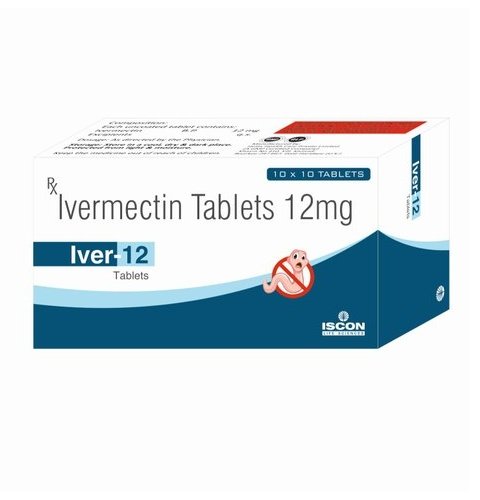
Can Ivermectin Be Obtained Without a Prescription in the United Kingdom?
No, Ivermectin is a prescription-only medicine in the United Kingdom. It cannot be legally obtained without a prescription from a qualified healthcare professional. It is not available for over-the-counter purchase from licensed pharmacies.
Key Takeaways: What You Must Know About Ivermectin in the United Kingdom
- Ivermectin is only available on prescription in the UK and must be dispensed by a registered pharmacy.
- It is primarily used for treating specific parasitic infections, such as strongyloidiasis, onchocerciasis, and scabies, as recommended by NHS clinical guidelines.
- Results typically appear within days for most parasitic infections, but some conditions may require repeat dosing or longer monitoring.
- The most important safety consideration is correct diagnosis and adherence to dosing instructions—unsupervised use can lead to serious side effects and resistance.
- If you experience unexpected symptoms, seek medical advice immediately rather than adjusting the dose or stopping treatment without consultation.
Table of Contents
- How Does Ivermectin Work? The Pharmacological Mechanism Explained
- Why Patients May Misjudge Ivermectin’s Effectiveness: Clinical Observations
- How Is Ivermectin Taken? Dosage, Timing, and Duration
- What Should You Know About Food, Alcohol, and Lifestyle with Ivermectin?
- Who Should Not Use Ivermectin? Contraindications and Cautions
- What Side Effects Are Most Common with Ivermectin?
- Frequent Patient Mistakes with Ivermectin—And How to Avoid Them
- Ivermectin Compared to Other Antiparasitics: How Does It Stack Up?
- Ivermectin: Key Product Characteristics
- Ivermectin Compatibility with Other Medicines and Products
- How Is Ivermectin Metabolised and Eliminated?
- Special Considerations for Specific Patient Groups
- Original vs Generic Ivermectin: What’s the Difference?
- How to Identify Genuine Ivermectin in the UK
- Warning Signs: How to Spot Counterfeit or Unsafe Ivermectin
- How to Safely Use Online Pharmacies for Ivermectin in the UK
- What Should I Do in Case of Ivermectin Overdose?
- Understanding the Psychological Side: Support and Empathy
- Step-by-Step: Getting Ivermectin Prescribed and Supplied in the UK
- Questions Patients Often Ask doctor: Clinical Insights
- Clinical Assessment by doctor: When Is Ivermectin the Right Choice?
- Frequently Asked Questions (FAQ) About Ivermectin in the UK
- References
How Does Ivermectin Work? The Pharmacological Mechanism Explained
Ivermectin belongs to the class of antiparasitic agents known as avermectins. It primarily acts by binding selectively and with high affinity to glutamate-gated chloride ion channels found in invertebrate nerve and muscle cells. This binding leads to increased permeability of the cell membrane to chloride ions, causing hyperpolarisation and subsequent paralysis and death of the parasite (EMA, MHRA Electronic Medicines Compendium). In humans, these channels are not present, and ivermectin’s action on mammalian GABA receptors occurs only at much higher concentrations than those used therapeutically, which contributes to its safety profile.
Simplified metaphor: Imagine Ivermectin as a lockpick that fits only the parasite’s unique locks, causing their nerves to “short-circuit” while human cells remain unaffected at standard doses.
Why Patients May Misjudge Ivermectin’s Effectiveness: Clinical Observations
As a physician, I often see patients expecting immediate improvement after starting Ivermectin. Many assume that all symptoms should resolve within hours, which is rarely the case. The reality is that dead parasites can still trigger immune responses, leading to ongoing itching or inflammation for days or even weeks, especially with scabies or onchocerciasis. Another common misconception is that Ivermectin is effective against viruses, particularly following widespread misinformation during the COVID-19 pandemic; patients need clear guidance on what the medication can and cannot treat. Few patients ask about the need for repeat dosing or monitoring for resistance, which can be crucial for successful treatment. Finally, while concerns about side effects are valid, most patients underestimate the risk of incorrect dosing or self-medicating outside medical supervision. Accurate expectations and ongoing communication are key for safe and effective use.
How Is Ivermectin Taken? Dosage, Timing, and Duration
Ivermectin dosing is individualised based on the indication, body weight, and clinical protocol.
- Adults: For most parasitic infections, the typical dose is 150–200 micrograms per kilogram of body weight, taken as a single oral dose.
- Children: Not generally recommended for children under 15 kg or under 5 years, except under specialist advice.
- Scabies: Often requires one dose, repeated after 7–14 days, depending on clinical response (NHS scabies guidance).
- Maximum dose: The total dose should not exceed 400 micrograms/kg in a single course unless specifically directed by a specialist.
- Splitting tablets: Most Ivermectin tablets must be swallowed whole; do not split or crush unless the manufacturer’s instructions allow it.
Peak effect typically occurs within 4–8 hours after administration. Duration of action varies, but most parasites are eliminated within days; some conditions require retreatment or ongoing monitoring.
What Should You Know About Food, Alcohol, and Lifestyle with Ivermectin?
- Food effect: Absorption is increased when taken on an empty stomach—ideally, take Ivermectin at least one hour before or two hours after meals.
- Fatty meals: May increase absorption unpredictably, potentially raising side effect risk.
- Alcohol: No direct metabolic interaction, but avoid alcohol during treatment as it can increase the risk of side effects such as dizziness, and may impair liver function, especially if you have underlying liver conditions.
- Grapefruit juice: No significant interaction has been documented, but caution is advised due to potential CYP3A4 inhibition.
- Driving: Side effects such as dizziness or sleepiness may impair your ability to drive or operate machinery.
Bottom line: For best results and safety, follow your doctor’s instructions precisely and avoid risky combinations.
Who Should Not Use Ivermectin? Contraindications and Cautions
- Absolute Contraindications
-
- Known hypersensitivity to Ivermectin or any component of the formulation.
- Children under 15 kg (unless specialist recommends and supervises).
- Concurrent use with medications that strongly inhibit CYP3A4 (e.g., some macrolide antibiotics)—may dangerously increase Ivermectin levels.
- Relative Contraindications (Use with Caution)
-
- Severe liver disease (risk of accumulation and toxicity).
- Pregnancy and breastfeeding (use only if clearly needed and under specialist care; safety data is limited).
- History of meningitis or CNS disorders (may increase risk of neurotoxicity).
- Immunocompromised states (risk of atypical reactions or reduced efficacy).
- Recent major illness or hospitalisation—seek review before starting Ivermectin.
Why these restrictions? Liver impairment affects how Ivermectin is metabolised, increasing risk. Children’s blood-brain barriers may be less robust, raising neurotoxicity risk. Strong CYP3A4 inhibitors can dramatically elevate Ivermectin exposure. Always consult your prescriber if you have any underlying conditions.
What Side Effects Are Most Common with Ivermectin?
- Very common (>1/10):
-
- Itching and skin rash (due to dying parasites, especially in scabies or onchocerciasis)
- Gastrointestinal upset: nausea, diarrhoea, abdominal pain
- Dizziness or mild drowsiness
- Common (1/100–1/10):
-
- Headache
- Fever
- Muscle or joint pain
- Rare (<1/1,000):
-
- Visual disturbances
- Severe skin reactions (Stevens-Johnson syndrome)
- Very rare (<1/10,000):
-
- Seizures
- Sudden onset confusion
- Severe allergic reactions (anaphylaxis)
If side effects occur: Mild symptoms (nausea, headache) often pass in 1–2 days. Stop Ivermectin and seek urgent medical advice if you develop severe rash, breathing difficulty, confusion, vision changes, or seizure-like symptoms.
Frequent Patient Mistakes with Ivermectin—And How to Avoid Them
- Taking Ivermectin with food (especially fatty meals): This increases unpredictable absorption and may raise side effect risk. Always take on an empty stomach as instructed.
- Stopping treatment after partial improvement: Some infections require more than one dose or follow-up. Never stop early without medical advice.
- Doubling up on doses if a dose is missed: This can lead to toxicity. If you miss a dose, consult your doctor rather than taking extra tablets.
- Using leftover tablets for new symptoms: Parasite infections differ; reusing old medication without diagnosis can be ineffective or dangerous.
- Ignoring skin care instructions in scabies: Successful treatment often depends on treating all contacts and following cleaning protocols, not just taking Ivermectin.
- Not informing the doctor about other medicines: Certain drugs can interact with Ivermectin, especially those affecting the liver.
Ivermectin Compared to Other Antiparasitics: How Does It Stack Up?
When treating scabies or other parasitic infections in the UK, Ivermectin is one option among several. Below is a structured comparison with two common alternatives:
| Medication | Onset of Action | Duration of Effect | Common Side Effects | Typical Cost (per course) | Prescription Status |
|---|---|---|---|---|---|
| Ivermectin | Within 4–8 hrs | Several days to weeks, depending on parasite | Itching, GI upset, dizziness | £15–£30 | Prescription only |
| Permethrin cream (topical) | 12–24 hrs | Remains active on skin up to 12 hrs | Skin irritation, redness | £7–£18 | Prescription or pharmacy supply |
| Benzyl benzoate lotion | 12–24 hrs | Short (reapplied as needed) | Burning, stinging, skin dryness | £6–£14 | Pharmacy supply |
Note: Ivermectin is generally reserved for cases where topical agents cannot be used, or for difficult-to-treat infestations. Consult your doctor to identify the most suitable option for your circumstances.
Ivermectin: Key Product Characteristics
| Available strengths | 3 mg, 6 mg tablets (most common in UK) |
| Formulations | Oral tablet (exceptionally, topical for veterinary use—never substitute!) |
| Storage conditions | Below 25°C, dry place, original packaging |
| Typical shelf life | 24–36 months from manufacture |
| Tablet appearance | Round, white or off-white, often with engraved identification code |
| Manufacturer | Various, including original Merck and generics (Sandoz, Teva, Accord) |
| Approval in UK | MHRA licensed; prescription required |
Compatibility: Can Ivermectin Be Safely Combined with Other Products?
| Type of Product | Can it be combined? | Consequences |
|---|---|---|
| Paracetamol | Yes | No significant interaction |
| Macrolide antibiotics (erythromycin, clarithromycin) | NO, unless advised by specialist | Potential for increased Ivermectin levels; monitor closely |
| Warfarin (and other anticoagulants) | Caution | May increase anticoagulant effect; monitor INR |
| Alcohol | Caution | May increase side effects (dizziness, liver strain) |
| Permethrin cream (topical) | Yes | Often used together in severe scabies |
| Grapefruit juice | Caution | May increase drug levels unpredictably; best avoided |
How Is Ivermectin Metabolised and Eliminated?
After oral administration, Ivermectin is absorbed in the gastrointestinal tract. Peak plasma levels are typically reached within 4–5 hours. It is extensively metabolised in the liver (via CYP3A4 enzyme), and the majority of the drug and its metabolites are excreted via the faeces. Less than 1% is excreted in the urine (EMA).
- Half-life (T1/2): 12–36 hours, depending on the individual’s metabolic rate and liver function.
- Liver impairment can significantly prolong the half-life and increase the risk of toxicity.
Clinical implication: Patients with significant liver disease must use Ivermectin only under specialist supervision.
Special Considerations for Specific Patient Groups
- Children: Not recommended under 15 kg (as per MHRA guidelines) due to increased risk of neurotoxicity.
- Elderly: No dose adjustment typically required unless significant liver dysfunction present. Monitor more closely for adverse effects.
- Pregnancy: Use only if benefits clearly outweigh risks (animal studies suggest potential risk; human data limited).
- Breastfeeding: Small amounts pass into breast milk; avoid if possible or seek specialist advice.
- Fertility: No evidence of direct effect on fertility, but data are limited (NHS medicines guidance).
- Driving: If you experience dizziness or drowsiness, do not drive or operate heavy machinery.
Original vs Generic Ivermectin: What’s the Difference?
Both original (brand-name) and generic Ivermectin products contain the same active ingredient and must meet MHRA quality standards. Generics are usually less expensive but equally effective and safe if sourced from a registered UK pharmacy.
- Generics: May contain different inactive ingredients (excipients) such as fillers, dyes, or preservatives. Rarely, these can cause allergic reactions in sensitive individuals.
- Packaging: Generic and original tablets should both feature clear batch numbers, expiry dates, and UK pharmacy labelling.
- Holograms/QR codes: Most UK-licensed medicines now include these features to help confirm authenticity.
Price difference: Generics typically cost £12–£18 per course, compared to £18–£30 for brand-name versions.
How to Identify Genuine Ivermectin in the UK
- Packaging should display the MHRA license number, batch code, and expiry date.
- Look for intact tamper-evident seals and manufacturer holograms or QR codes.
- Tablets are usually white or off-white, with engraved markings; check that appearance matches the description in the patient leaflet.
- Information leaflet in English should be included, with the manufacturer’s UK contact details.
- Pharmacy label should include your name, dose, and instructions.
If in doubt, consult your pharmacist before taking any medication. Avoid tablets in unlabelled blister packs or loose form.
Warning Signs: How to Spot Counterfeit or Unsafe Ivermectin
- Unusually low price, often less than half of typical UK cost.
- Packaging with spelling mistakes, blurred printing, or missing MHRA license numbers.
- No batch code, expiry date, or pharmacy label.
- Lack of English language leaflet or presence of foreign regulatory stamps (e.g., FDA, but not MHRA).
- Tablets differing in size, colour, or markings compared to prior prescriptions.
Generics vs Counterfeits: Generics are legal, safe, and equivalent when supplied by UK-licensed pharmacies. Counterfeit products may contain incorrect amounts of Ivermectin or harmful substances and pose significant health risks.
How to Safely Use Online Pharmacies for Ivermectin in the UK
- Only use online pharmacies that are registered with the General Pharmaceutical Council (GPhC) (GPhC).
- Look for the GPhC “Registered Pharmacy” logo on the website and verify the registration number.
- Legitimate sites will require a valid prescription, will not offer Ivermectin for unlicensed indications, and will provide a UK address and phone number.
- Be wary of sites offering “no prescription needed” or shipping from outside the UK.
- Check for a clear privacy policy, returns procedure, and the ability to consult a pharmacist.
What Should I Do in Case of Ivermectin Overdose?
- Stop taking Ivermectin immediately.
- Call 999 (emergency services) or attend your nearest A&E department.
- Take the medication packaging or leaflet with you to the hospital.
- Be ready to inform the medical team of the total amount and time taken.
- Do NOT attempt to induce vomiting unless advised by a healthcare professional.
Symptoms of overdose may include: severe dizziness, confusion, seizures, vomiting, difficulty breathing, or loss of consciousness. Early medical intervention can be life-saving.
Understanding the Psychological Side: Support and Empathy
Parasitic infections can cause significant distress, embarrassment, and anxiety. Remember, these conditions are common and treatable. If you feel overwhelmed, consider discussing your concerns with your GP, pharmacist, or a mental health professional. Support from friends or family can also be invaluable during treatment.
Step-by-Step: Getting Ivermectin Prescribed and Supplied in the UK
- Consultation: Book an appointment with your GP, infectious diseases specialist, or dermatology clinic (in-person or via NHS-approved telemedicine services).
- Assessment: A qualified healthcare professional will assess your symptoms, medical history, and confirm the diagnosis (often with clinical examination, sometimes with laboratory confirmation).
- Prescription: If Ivermectin is appropriate, you will receive a prescription, either electronically or on paper.
- Dispensing: Take your prescription to a registered community pharmacy or use a GPhC-accredited online pharmacy for dispensing.
- Follow-up: Your doctor may arrange a review (in person or remotely) to check treatment response and advise on retreatment, if necessary.
NHS prescriptions are typically covered for those who qualify for free prescriptions; otherwise, standard NHS charges apply (usually £9.65 per item as of 2026).
Questions Patients Often Ask doctor: Clinical Insights
- How long will it take before my symptoms improve after starting Ivermectin?
- Most patients with parasitic infections notice improvement within a few days, but itching or inflammation may persist for a week or more as the body clears dead parasites. Patience and follow-up are important.
- Do I need to treat my family members or close contacts as well?
- With contagious conditions like scabies, simultaneous treatment of household contacts—even if asymptomatic—is crucial to prevent reinfection.
- Will I need repeat doses of Ivermectin?
- This depends on the infection type and clinical response. Some infestations, such as scabies, require a second dose after 7–14 days to ensure complete eradication.
- What should I do if my symptoms don’t improve or get worse?
- Return to your prescriber for reassessment. You may need a different diagnosis, alternative treatment, or support for persistent symptoms.
- Is it safe to use Ivermectin if I’m on other medications?
- Generally, yes, but a full medication review is essential. Some drugs (such as certain antibiotics and anticoagulants) can interact—always provide your full medication list to your doctor.
- Can Ivermectin be used for viral infections like COVID-19?
- No. Authoritative bodies, including the MHRA, EMA, and WHO, do not recommend Ivermectin for viral infections outside of clinical trials. It has not shown efficacy against COVID-19 or other viruses.
- How will my doctor monitor my progress during treatment?
- Follow-up is tailored to your infection and risk profile. Monitoring usually includes symptom review, sometimes repeat examinations, and, in specific cases, laboratory tests to confirm clearance of infection.
Clinical Assessment by doctor: When Is Ivermectin the Right Choice?
In my clinical experience, Ivermectin is most beneficial for patients with confirmed parasitic infections—such as strongyloidiasis or crusted scabies—who have failed topical treatments or are unable to use them due to widespread involvement or underlying skin conditions. Patients with immunosuppression or chronic illnesses require more careful assessment and monitoring, as atypical reactions can occur. I do not recommend Ivermectin as a first-line therapy for simple head lice or unconfirmed “presumed” infestations, nor for viral or bacterial infections, where evidence is lacking. In pregnancy and young children, I restrict use to situations where alternative therapies are ineffective or contraindicated. The key benefit-risk consideration is the seriousness of the infection versus the potential for side effects, especially in those with liver disease or on interacting medications. If the response is suboptimal after the initial dose, I reassess the diagnosis and consider the possibility of resistance, coinfection, or the need for alternative treatment. Patient education and follow-up are crucial to ensure treatment success and minimise risk.
Frequently Asked Questions (FAQ) About Ivermectin in the UK
- Is Ivermectin available over the counter in the UK?
- No, Ivermectin is a prescription-only medicine in the UK and cannot be legally purchased without a valid prescription.
- How much does a course of Ivermectin cost in the UK?
- The typical cost is £15–£30 per course of treatment, but NHS prescription charges may apply. Prices vary by manufacturer and pharmacy.
- What infections does Ivermectin treat?
- Ivermectin is licensed for certain parasitic infections, including strongyloidiasis, onchocerciasis, and scabies (in select cases). It is not approved for viral or bacterial infections.
- Can I take Ivermectin if I’m pregnant or breastfeeding?
- Ivermectin should only be used during pregnancy or breastfeeding if clearly needed and prescribed by a specialist, as safety data are limited.
- What happens if I miss a dose?
- Contact your prescribing doctor for advice. Do not double up doses without professional guidance.
- Are there any serious risks with Ivermectin?
- Serious side effects are rare but can include allergic reactions, neurological symptoms, or liver toxicity—especially if used incorrectly or in patients with pre-existing conditions.
- Can Ivermectin be used for COVID-19?
- No. Major health authorities do not recommend Ivermectin for COVID-19 outside of clinical trials, due to lack of proven benefit and potential risks.
- How long does it take for Ivermectin to work?
- Most parasitic infections show improvement within days, but complete resolution may take longer depending on the condition treated.
- Will I need to repeat the treatment?
- Sometimes a second dose is required, particularly for scabies, to ensure all parasites are eradicated. Your doctor will advise based on your response.
- How can I be sure my Ivermectin is genuine?
- Only obtain Ivermectin from UK-licensed pharmacies, check for MHRA registration, original packaging, and pharmacy labelling, and avoid online sellers without proper accreditation.
References
- European Medicines Agency (EMA). Ivermectin – Summary of Product Characteristics. Accessed 2026. https://www.ema.europa.eu/en
- Medicines and Healthcare products Regulatory Agency (MHRA). Electronic Medicines Compendium (emc) – Ivermectin. Accessed 2026. https://www.medicines.org.uk/emc/
- NHS. Scabies – Treatment. Accessed 2026. https://www.nhs.uk/conditions/scabies/treatment/
- NHS. Ivermectin – Medicine Guidance. Accessed 2026. https://www.nhs.uk/medicines/ivermectin/
- General Pharmaceutical Council (GPhC). Find a registered pharmacy. Accessed 2026. https://www.pharmacyregulation.org/
- Yellow Card Scheme, MHRA. Report a suspected problem with a medicine or medical device. Accessed 2026. https://yellowcard.mhra.gov.uk/
- Gonzalez Canga A, Sahagun Prieto AM, Diez Liebana MJ, et al. The Pharmacokinetics and Interactions of Ivermectin in Humans—A Mini-review. AAPS J. 2008;10(1):42–46. https://www.ncbi.nlm.nih.gov/pmc/articles/PMC2751445/
- World Health Organization (WHO). Ivermectin Information Sheet. Accessed 2026. https://www.who.int/