
- Home/
- Buy Neurontin Without Prescription in the United Kingdom Online
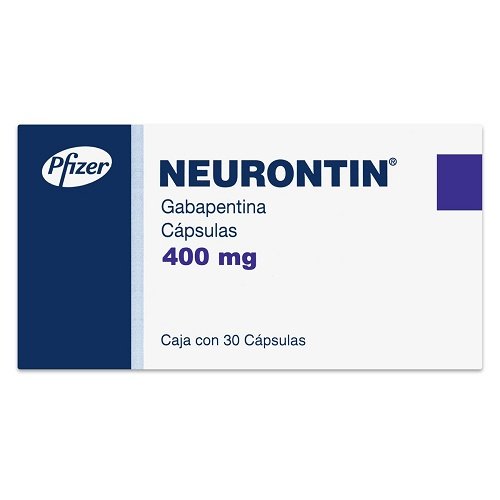
Living with Neuropathic Pain—and Why Neurontin Enters the Story
Imagine waking each morning with the same dull, burning ache in your feet. Some days it sharpens to a stabbing jolt—a sensation that doesn’t match the injury you remember, or any injury at all. Over-the-counter painkillers have been useless. Friends suggest “mindfulness,” but you’d trade all the meditation apps in the world for one good night’s sleep. This is neuropathic pain: pain caused by damaged or overactive nerves, not by tissue injury or inflammation—and it is notoriously stubborn.
In the United Kingdom, neuropathic pain affects hundreds of thousands of people, often after shingles, diabetes, surgery, or injury. But what patients rarely expect is how little relief they often get from common painkillers. Paracetamol and ibuprofen, the first port of call for most aches, usually make no dent. Even opioids—frequently overprescribed, but increasingly restricted—perform surprisingly poorly for nerve pain and carry serious risks.
“The frustration for patients is real. They try everything in the medicine cabinet, but nothing touches the burning or electric pain of neuropathy. That’s usually when gabapentin—Neurontin—enters the discussion. It’s not a magic bullet, but for some, it’s the first medication that shifts their day-to-day experience in a meaningful way.”
So, why doesn’t everyone with neuropathic pain start Neurontin straight away? The answer is a mix of how the drug works, who benefits most, and when potential risks outweigh the likely gains. This article takes you inside that decision—stepping beyond the label, through real UK practice, and into the realities of life on Neurontin.
How Neurontin Actually Works in Your Nerves (Not Just In Theory)
Neurontin’s story starts where ordinary painkillers end. Unlike paracetamol or ibuprofen, it doesn’t blunt pain at its source or block inflammation. Instead, gabapentin (the active ingredient in Neurontin) acts like a dampener on overexcited nerves, interfering with the signals that cascade through damaged nerve cells and produce abnormal pain sensations.
While it was originally developed as an anti-epileptic, gabapentin found its real calling in nerve pain. Think of your nerves as faulty wiring—Neurontin doesn’t fix the break, but it reduces the electrical “noise” that amplifies pain. This mechanism means gabapentin is particularly suited to pain that feels like burning, tingling, shooting, or stabbing. Soreness that worsens at night, or pain that lingers long after an injury has healed, are also typical signs that nerve dysfunction is at play.
- Gabapentin
- A medicine that quiets nerve signals in the brain and spinal cord, reducing abnormal pain sensations.
- Neuropathic pain
- Pain caused by damaged nerves, not by inflammation or injury to tissues.
What makes this approach different from other medicines? Gabapentin doesn’t act on opioid receptors, so there’s no opioid “high”—but also much less risk of breathing suppression, constipation, or dependence in the classic sense. However, this comes with its own quirks: gabapentin’s effect builds gradually (usually over days to weeks), and reaching the right dose can take time and patience.
Will Neurontin Work For Me? What Real Patients in the UK Experience
Hope is a tricky thing in chronic pain. Patients often arrive at the Neurontin consultation with a mix of desperation and scepticism: “Will this actually work, or is it another false start?” The honest answer is: sometimes it makes a significant difference, sometimes it disappoints, and sometimes the side effects outweigh the benefits.
- What improvement looks like: The classic success story is not total pain relief, but a 30-50% reduction—enough to sleep better, move more, or think about life beyond pain. For UK patients, this typically means less pain at night, fewer “electric shock” episodes, and a little more energy for daily tasks.
- How long it takes: Improvement is rarely instant. Most people who benefit notice some change within 1–2 weeks at a stable dose, but the full effect can take a month or longer. Rapid dose increases do not speed up results—in fact, they often increase side effects and endanger adherence.
- Who is most likely to benefit: Those with distinct nerve damage (diabetes, shingles, post-surgery) and classic neuropathic symptoms respond best. Pain that is diffuse, non-specific, or heavily influenced by mood responds less reliably.
- What success feels like: Neurontin doesn’t “numb” the body. Instead, it makes pain less intrusive—shifting it from centre stage to background noise, for some.
In UK specialist pain clinics, Neurontin is rarely the first medicine offered, but often the one that’s tried when others fail or can’t be tolerated. NICE guidelines recommend gabapentin as a second-line option after amitriptyline or duloxetine [NICE].
Neurontin vs The Alternatives: When It Makes Sense to Switch
The moment of decision usually comes when a patient asks: “Why Neurontin? Why not something else?” In neuropathic pain, the main rivals are amitriptyline, duloxetine, and pregabalin (Lyrica)—each with its own claims and cautions. Here’s what sets Neurontin apart, and how it stacks up against the competition in real UK practice.
| Attribute | Neurontin (Gabapentin) | Amitriptyline | Duloxetine | Pregabalin (Lyrica) |
|---|---|---|---|---|
| Mechanism | Reduces abnormal nerve signalling | Tricyclic antidepressant: blocks pain signals, affects mood | Serotonin/noradrenaline reuptake inhibitor: mood and pain effects | Acts like gabapentin, faster onset, higher potency |
| How fast it works | 1–4 weeks to full effect | 1–2 weeks | 1–2 weeks | 1–2 weeks |
| Common side effects | Drowsiness, dizziness, swelling, weight gain | Dry mouth, drowsiness, constipation | Nausea, dry mouth, sleep disturbance | Drowsiness, dizziness, weight gain |
| Major cautions | Renal disease, misuse risk (rare) | Heart disease, elderly, glaucoma | Liver disease, blood pressure | Renal disease, misuse risk |
| UK prescription status | Prescription only (controlled as Class C) | Prescription only | Prescription only | Prescription only (controlled as Class C) |
| Cost/reimbursement | NHS prescription, low-cost generic | NHS prescription, low-cost generic | NHS prescription, standard cost | NHS prescription, higher cost than gabapentin |
| When preferred | Failed/intolerant to other options, classic nerve pain features | First-line for most, unless older age or cardiac risk | First-line if mood symptoms prominent | Failed gabapentin or need more rapid effect |
In UK clinics, the choice usually starts with amitriptyline or duloxetine, unless there’s a clear reason to avoid them (such as severe drowsiness, heart problems, or mood issues). Neurontin is often used when these first-line drugs prove ineffective, or the side effects are unacceptable. Pregabalin, a close cousin, is sometimes selected if gabapentin doesn’t deliver, but it is more tightly controlled and usually reserved for difficult cases.
Taking Neurontin Right: Dosing, Timing, and How to Avoid the Common Pitfalls
Dosing Neurontin is less about fixed numbers and more about working upwards, slowly and deliberately. The typical UK starting dose is 300mg at night. From there, your GP or pain specialist increases the dose gradually: maybe 300mg twice daily after a few days, then three times daily, adjusting every few days or week depending on response and side effects.
The full effective dose for adults can range from 900mg to 3600mg daily, split into two or three doses. But more isn’t always better. Most people never reach the top dose, and many find a “sweet spot” well below the maximum. For older adults or those with kidney problems, smaller doses are needed, and increases must be even more cautious.
| Patient Group | Starting Dose | Usual Dose Range | Max Dose | Notes |
|---|---|---|---|---|
| Adults (normal kidney function) | 300mg at night | 900–1800mg/day (split) | 3600mg/day | Titrate up every 3–7 days |
| Elderly (65+) | 100–300mg at night | Lower end of range | As tolerated | Increase slower, risk of drowsiness/falls |
| Chronic kidney disease | Start lower (100–300mg) | Adjust per eGFR | Varies | Specialist advice recommended |
Key Dosage Pitfalls:
- Missing doses is common—gabapentin works better and produces fewer side effects when taken regularly at the prescribed intervals.
- Stopping suddenly can trigger withdrawal symptoms, including anxiety, sweating, or agitation. Always taper off with GP advice.
- Titration must be slow—rushing leads to more dizziness and drowsiness, and does not speed up pain relief.
Which Side Effects Matter Most with Neurontin—and When to Act
Side effects are the main reason people stop Neurontin. The most common are drowsiness, dizziness, and swelling (oedema)—not usually dangerous, but potentially disruptive. Less commonly, some experience weight gain, blurred vision, or problems with coordination. Rarely, mood changes or suicidal thoughts have been reported; these need urgent medical attention.
For most, side effects are worse during the first week of treatment, or after a dose increase. Many improve with time or after adjusting the dose downward. But a few—confusion, severe swelling, or serious mood changes—demand quick action.
| Side Effect | Estimated Frequency | When to Contact Your Doctor |
|---|---|---|
| Drowsiness/fatigue | Very common (>1 in 10) | If it impairs daily activity or causes falls |
| Dizziness | Very common | If severe or persistent, or leads to falls |
| Swelling (oedema) | Common (1–10%) | If sudden, severe, or with shortness of breath |
| Weight gain | Common | If rapid or significant |
| Confusion | Uncommon (1–10%) | If sudden or worsening—see GP promptly |
| Low mood or suicidal thoughts | Rare | Immediately—seek urgent help |
| Allergic reaction (rash, swelling, breathing issue) | Very rare | Call 999 or attend A&E |
What most patients get wrong: Expecting side effects to remain at their worst. Often, drowsiness and dizziness fade after a week or two, especially if you avoid driving or drinking alcohol until you know how Neurontin affects you.
When Not To Take Neurontin: Warnings That Cannot Be Ignored
- Known allergy to gabapentin or any ingredient in Neurontin—past reaction means you must not take it.
- Severe kidney impairment—dose must be adjusted or avoided based on kidney function (your doctor will check your eGFR).
- History of substance misuse: Gabapentin can be misused, particularly in those with a history of opioid or alcohol addiction.
- Pregnancy and breastfeeding: Not routinely recommended—only if potential benefits outweigh known or unknown risks. Discuss thoroughly with your consultant or GP.
- Elderly or frail patients: Increased risk of confusion, falls, and drowsiness. Dose should start low and be increased slowly, if at all.
- Concurrent use of CNS depressants: Combining Neurontin with benzodiazepines, opioids, or alcohol can increase drowsiness, breathing problems, and risk of overdose.
Getting Neurontin in the UK: Access, Cost, and What Happens at the Pharmacy
In the UK, Neurontin is prescription-only and classified as a controlled drug (Class C) since 2019, in response to concerns about misuse and diversion. What does this mean at the pharmacy counter? Your prescription will have stricter rules—shorter validity (28 days), a maximum supply (usually 30 days at a time), and you may need to sign for collection in person.
- Prescription process: You’ll need a prescription from your GP or pain specialist. Repeat prescriptions are possible, but require regular review—often every few months, especially if doses change or side effects emerge.
- Cost: If you’re on the NHS, gabapentin (Neurontin) is available as a generic at standard prescription charges (currently £9.65 per item in England; free in Scotland, Wales, and Northern Ireland). Private prescriptions are less common for Neurontin due to its controlled status and low NHS co-payment.
- Dispensing: Most high street and online pharmacies can supply Neurontin, but you cannot buy it over the counter or without a prescription. Online orders require uploading your prescription and may involve an identity check.
- Monitoring: Your pharmacist will check for drug interactions, repeated early requests, and signs of misuse. Many GPs require regular reviews before renewing prescriptions.
If you need help with costs, ask your GP about prescription prepayment certificates or NHS Low Income Schemes. Gabapentin is almost always covered by NHS formularies for neuropathic pain when properly indicated.
Frequently Asked Questions: Neurontin for Neuropathic Pain in the UK
- How long before I know if Neurontin is working?
- Most patients notice some improvement within 1–2 weeks of reaching a steady dose, but it can take up to a month to judge full benefit. Don’t give up too soon—talk to your GP if you’re unsure after 4 weeks.
- Can I drink alcohol while taking Neurontin?
- Alcohol can increase drowsiness, dizziness, and the risk of accidental injury or overdose. Occasional, small amounts may be tolerated by some, but check with your prescriber first—especially if you are starting, changing, or stopping Neurontin.
- Is Neurontin addictive?
- Neurontin is not addictive in the way opioids are, but some people (especially with a history of substance misuse) may develop dependence or misuse patterns. That’s why prescriptions are closely monitored and you should only use it as directed.
- What if I miss a dose?
- If you miss a dose, take it as soon as you remember unless it’s nearly time for your next one. Never double up to make up for a missed dose. If you miss several doses, contact your GP for advice about restarting safely.
- Can I drive while taking Neurontin?
- Neurontin can cause sleepiness and slow reactions, especially when starting or increasing the dose. Do not drive or operate machinery until you know how the medicine affects you—UK law requires you to be free of impairment.
- Is Neurontin safe in pregnancy or breastfeeding?
- There is limited evidence about safety in pregnancy and breastfeeding. Neurontin is only used if the benefits clearly outweigh the risks. Always discuss with your GP or specialist before starting or continuing in these situations.
- Can I stop Neurontin suddenly?
- Stopping suddenly can cause withdrawal symptoms or worsen your pain. Always taper the dose gradually under the supervision of your GP—never stop on your own except for a serious allergic reaction.
Sources / References
- Neuropathic pain: NHS information
- Neuropathic pain in adults: pharmacological management in non-specialist settings (CG173), NICE
- Medicines and Healthcare products Regulatory Agency (MHRA)
- European Medicines Agency (EMA)
- PubMed
- Neurontin UK Prescribing Information, Pfizer, 2023
- NHS Business Services Authority
- NHS UK